Accessibility
VRI vs. On-Site Interpreting: How to Choose
A practical comparison for event planners, coordinators, and access leads weighing Video Remote Interpreting against sending an interpreter in person.
July 10, 2026 · 3 min read
By Rebecca Hull · · 3 min read
Last updated
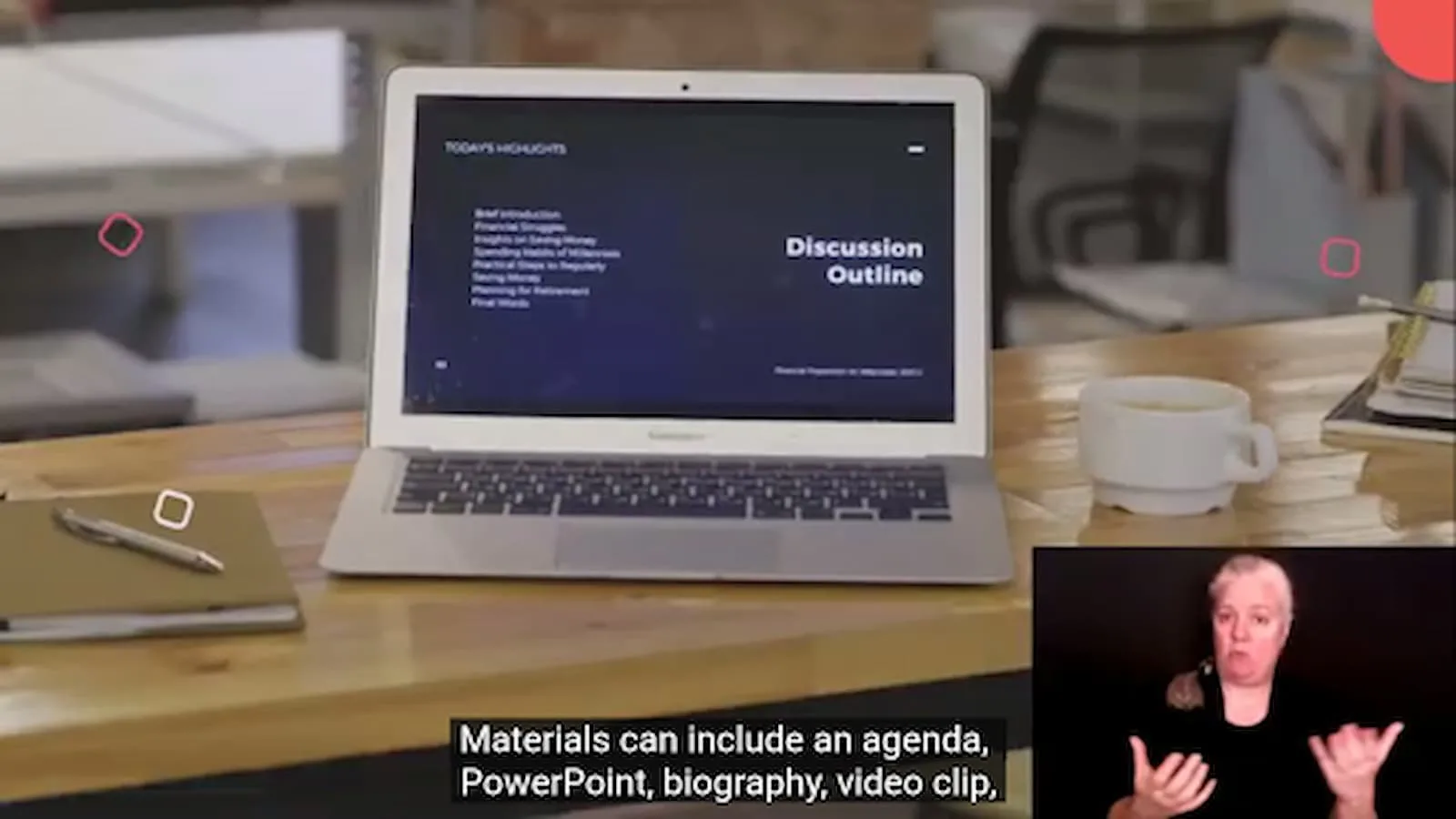
In the digital age, ensuring accessibility in video content on your website is not just a matter of compliance; it's about inclusivity. Accessible Media Services helps make your visual and audio content accessible to a broader audience including individuals with disabilities.
Accessible Media Services involve making videos and audio content accessible to a broader audience. Inclusive Communication Services offers a range of solutions, including:
Utilizing one or more of these services can render training and orientation videos, podcasts, performances, webinars, museum tours, and walking tours accessible. We adhere to best practices for various platforms, including YouTube, TikTok, Instagram, Facebook, LinkedIn, and Vimeo.
Accessible Media - Picture-in-Picture (PIP) Sign Language Interpreting
Sign language video translation entails incorporating a window within your company's videos, featuring a sign language interpreter. The Picture-in Picture (PIP) format enables viewers to simultaneously watch the content and the sign language interpreter within the same screen. Unlike subtitles, video translation captures the rich nuances of signed languages, making it a more accurate and inclusive communication channel.
With ICS you can customize your video by selecting from a curated pool of interpreters, choosing backgrounds, and opting for multiple target sign languages to tailor your content to diverse audiences worldwide!
Captioning
One of the most efficient ways to make your materials accessible to a wider audience is to add captions, also known as subtitles. A significant 50% of Americans opt for subtitles "most of the time," with this figure soaring to an impressive 80% among Gen Z viewers.
Captions are essential for individuals who are d/Deaf or hard of hearing, as approximately 15% of American adults—equivalent to 37.5 million people aged 18 and over — are currently living with some degree of hearing loss.
Captions address this accessibility gap and research indicates that subtitles and captions play a crucial role in viewer retention and engagement. Given the immense benefit of having captioned content, this is becoming a standard practice, and justly so. As one ICS blog author put it, please add captions to your content!
While it is true that many platforms offer automatic captioning, it is important to utilize a human service when considering accessibility. Automatic captions use an algorithm that isn’t familiar with foreign accents, false starts, strange words, or stutters, which can make for a transcript riddled with errors.
For more information, check out our blog entitled Automated Captioning – Is It Really Accessible?
Multilingual voiceover services provide professional narration in multiple languages to effectively communicate your message across diverse global audiences.
Our team of talented voice actors ensures linguistic accuracy and cultural authenticity, allowing your content to resonate with viewers worldwide.
From educational videos to podcasts, break language barriers and create a global connection through the power of languages including Spanish, Portuguese, French, Italian, Korean, Polish, Russian, Turkish, Mandarin Chinese, Vietnamese, and Japanese.
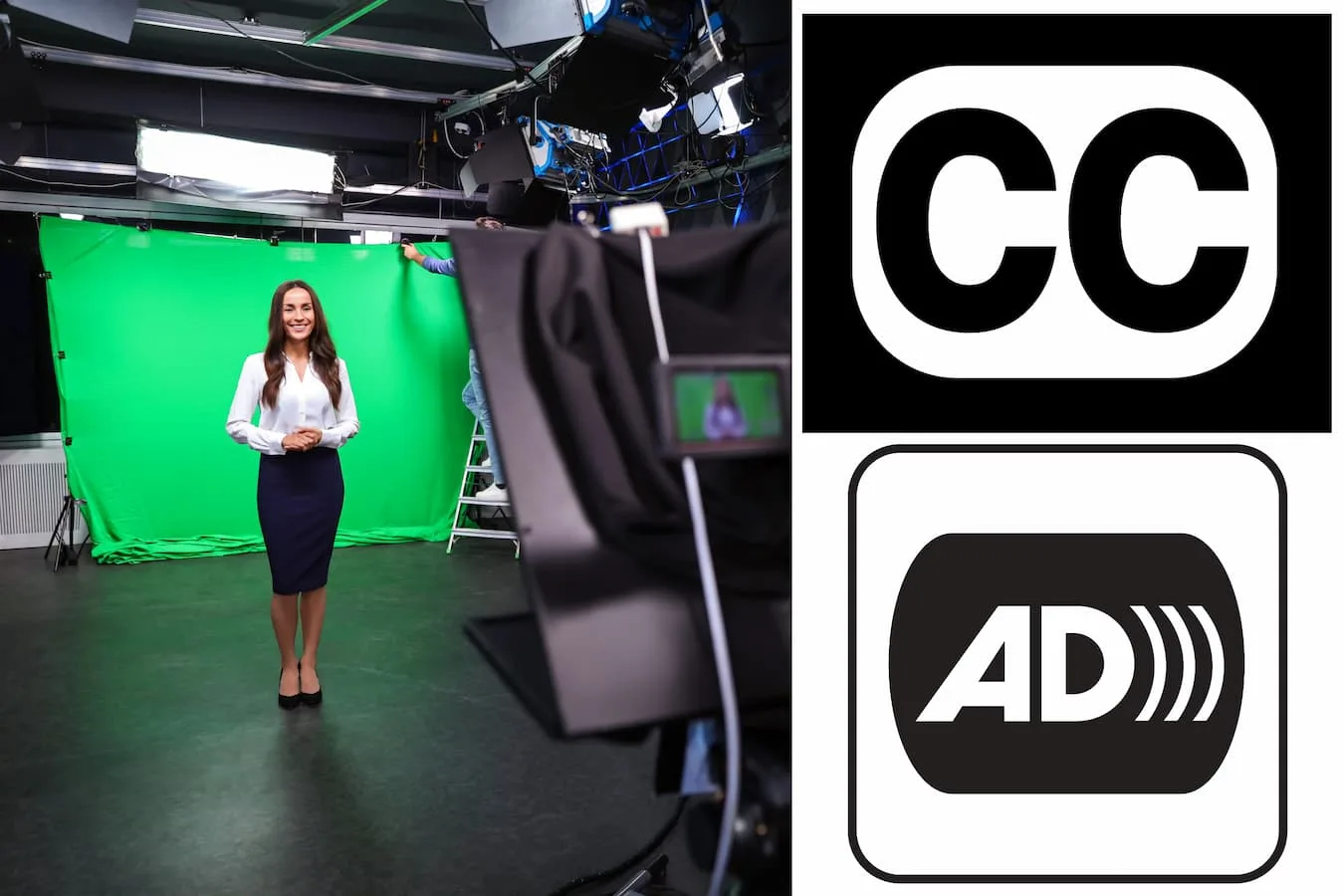
Audio Description refers to taking visual information and translating it into an audio track, which is then played synonymously during your media content.
There are both standard voiceovers, where the track runs continuously for the entire video or presentation, as well as extended, where the description is detailed enough to require ICS to add pauses into your media.
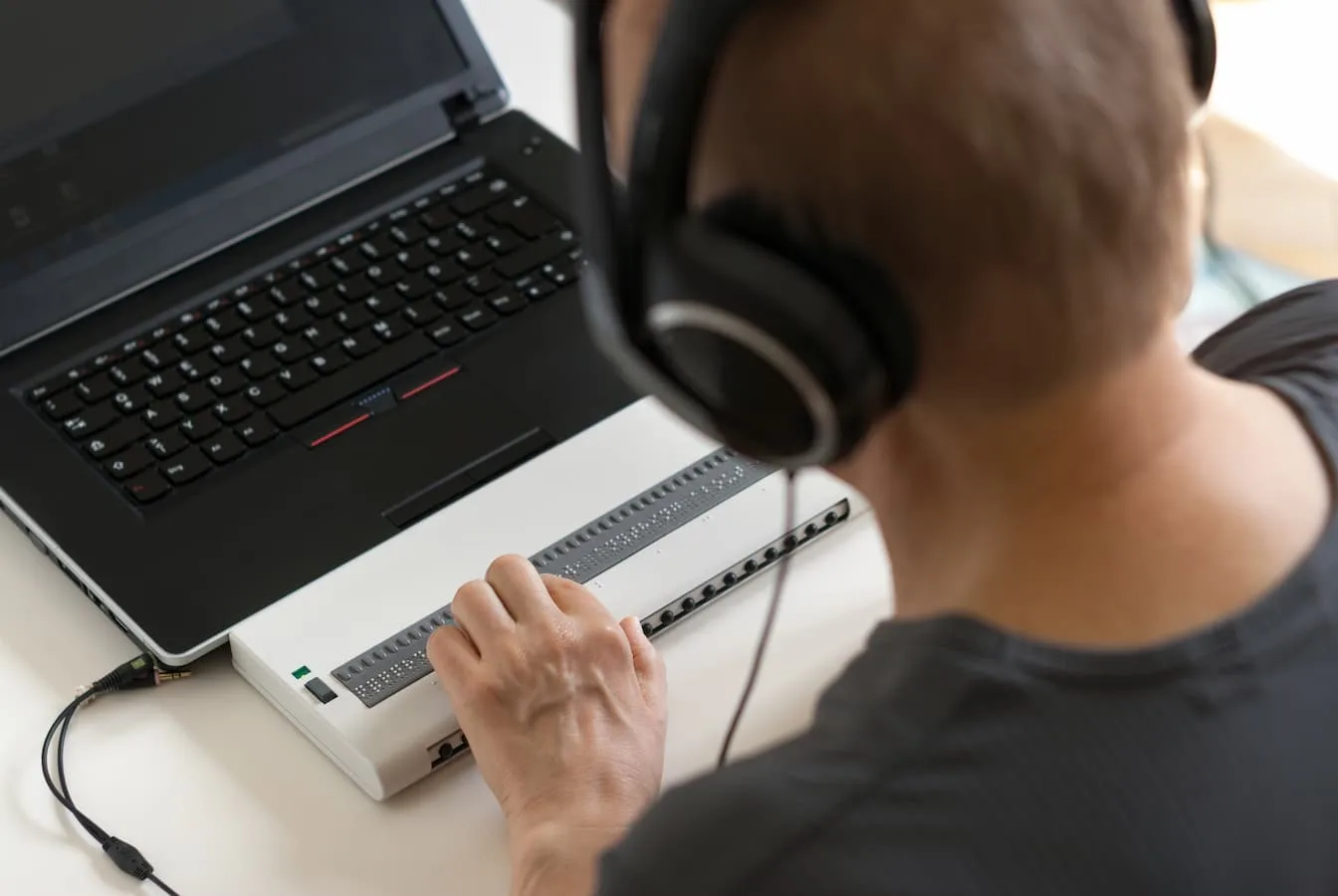
This service is most often utilized to provide access for individuals who are blind or have low vision.
Accessible media accommodations are an affordable way to expand your viewer audience while demonstrating your commitment to inclusion and equal access.
By making your materials accessible, you minimize moments of isolation and turn them into opportunities for inclusion! Whether it be an advertisement for a new product, a conference session for your archives, or a promotional video for social media, we have your accessibility needs covered. Request services or schedule a friendly and commitment-free consultation.
Our real, non-robot professionals are standing by to help you make your business as inclusive as possible!

Rebecca Hull
Trouble with the form? Open it in a new tab.
Tell us what you’re planning and a coordinator will come back with options and pricing.
A practical comparison for event planners, coordinators, and access leads weighing Video Remote Interpreting against sending an interpreter in person.
July 10, 2026 · 3 min read
I went to a popular historical museum in North Carolina with my mother to celebrate our spring birthdays. We joined the line, sent our backpacks through security, and walked over to pick up the audio…
May 8, 2026 · 6 min read
Four years after The Expanded Language Access Law was adopted in New York, state representatives are now opening discussions around the official inclusion of American Sign Language (ASL). This blog lo…
April 18, 2026 · 4 min read