

Accessibility
VRI vs. On-Site Interpreting: How to Choose
A practical comparison for event planners, coordinators, and access leads weighing Video Remote Interpreting against sending an interpreter in person.
July 10, 2026 · 3 min read
By Rebecca Hull · · 2 min read
Last updated
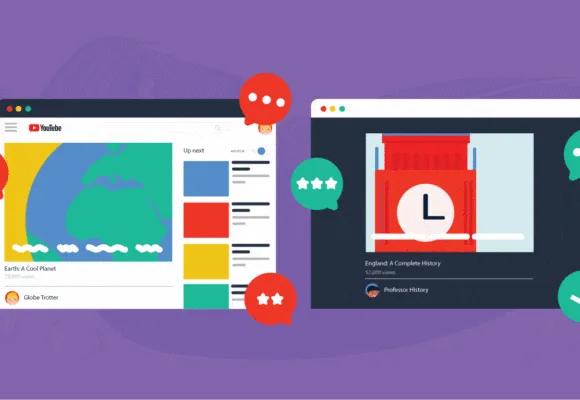
Have you witnessed automated captioning during a virtual meeting, webinar, or video?
Utilizing voice recognition software and machine learning algorithms, automated captioning offers a seemingly convenient solution for making videos accessible to the Deaf and hard-of-hearing community.
However, despite its widespread use, automated captioning falls short in accurately conveying content.
Test it out yourself: Turn the video sound off and watch the automated captions of a video on Youtube. What percentage of the video content were you able to understand? Statistics indicate that 1 in every 3 words can be incorrect in YouTube's automated captions. The allure of free, easily accessible automated captioning may be tempting, it's crucial to recognize its limitations.
Consider comprehension: Automated captioning often produces nonsensical results, with captions riddled with errors stemming from various factors like poor audio quality, mispronunciations, and accents. As one of our in-house captioning professionals at ICS points out, “You get what you pay for. In a last-minute pinch, auto-captions can be used. However, humans make far better captioners.”
When to use auto-captions: Automated captioning does have some beneficial use. For example, when adding captions to a video already created, a captioning professional may use the automatically generated captions as a baseline, then take the time to go back and review the captioning, making corrections where needed. Having the captions done live by a transcriber or having a professional add captions after the video is created is the best way to go.
Human-generated live captions demonstrate exceptional accuracy rates far surpassing the accuracy of AI captions and automated Youtube captions.
Human generated captions are 96 to 99% accurate.
AI captions including meeting platforms such as Zoom range in accuracy rates between 70% to 80%.
YouTube's automated captions are reported to be 60% to 70% accurate.
AI voice recognition often struggles with understanding grammar, punctuation, and tone, whereas humans excel in these linguistic nuances. As a result, human-generated captions are easy to follow and comprehend.
When organizations put accessibility first and leaders champion for human captioning and CART services, it makes all the difference. Throughout our 7 years of serving local communities, we've witnessed instances where inclusive providers were replaced by Microsoft Teams' auto captions.
However, once organizations recognized the substantial quality gap between human and AI-generated captions, they reinstated our human providers. It just goes to show, there's no beating the touch of human expertise in the language sector.
Help ensure that videos are truly accessible and comprehensible to all viewers. To delve deeper into the world of captioning for live and virtual events, check out another one of our blog articles featuring best practices and helpful tips.

Rebecca Hull
Trouble with the form? Open it in a new tab.
Tell us what you’re planning and a coordinator will come back with options and pricing.
A practical comparison for event planners, coordinators, and access leads weighing Video Remote Interpreting against sending an interpreter in person.
July 10, 2026 · 3 min read
I went to a popular historical museum in North Carolina with my mother to celebrate our spring birthdays. We joined the line, sent our backpacks through security, and walked over to pick up the audio…
May 8, 2026 · 6 min read
Four years after The Expanded Language Access Law was adopted in New York, state representatives are now opening discussions around the official inclusion of American Sign Language (ASL). This blog lo…
April 18, 2026 · 4 min read