Carrie Heitman
"I can not recommend ICS highly enough. Hook & Eye Theater had a wonderful experience working with Shelby and the team at ICS from beginning to end. What an incredible organization serving the theatrical community and beyond."
Areas We Serve · New Orleans
Planned around the light, the volume and the crowd — because here those decide it.


Before the subject matter, the conditions
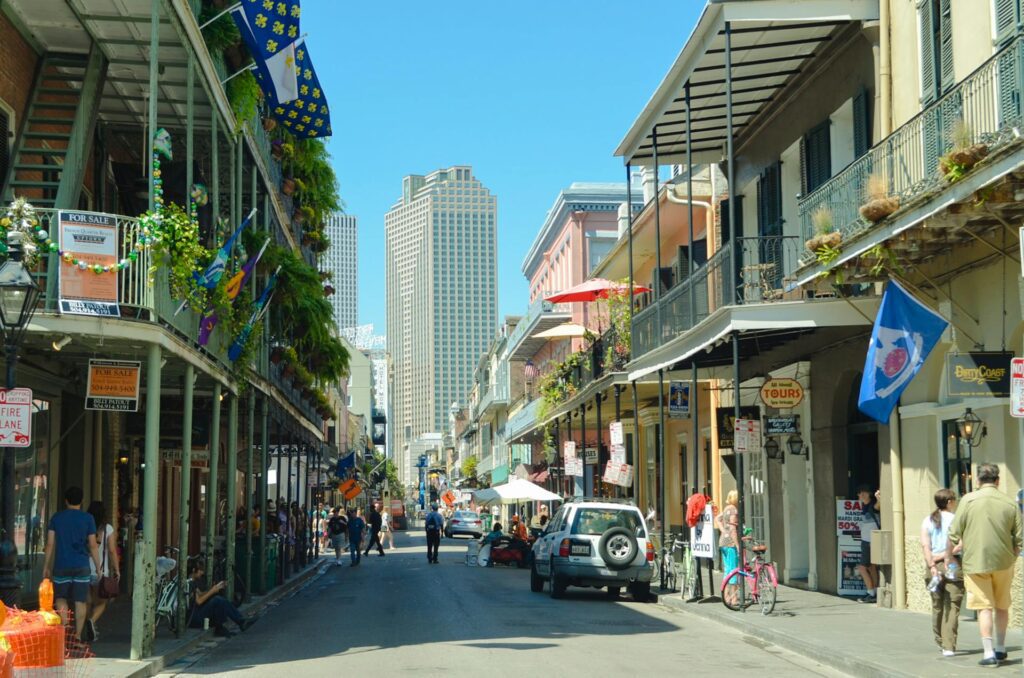
A parade with the crowd moving alongside it. A room on Bourbon Street where volume is the entire point. A walking tour of mansion streets in August. A cathedral square where the audience is whoever happened to be standing there when it started. Even the big indoor collection here is built on archive audio and interactive displays rather than on somebody talking from a lectern. What these have in common is not a subject. It is a set of physical conditions, and they arrive before any question about content does.
Those conditions decide things a booking form rarely asks about. An interpreter has to be seen, which after dark means somebody has thought about a light and about a place to stand that a crowd will not close over within ten minutes. A captioner needs a clean feed from the desk rather than a microphone pointed at a room, and a screen legible in Gulf sunshine — which often means text sent to the phone in somebody's hand instead of a board nobody can read. Description delivered over a marching band needs a receiver, not a raised voice. And a team working outdoors in July runs on a different clock from a team in an air-conditioned hall.
So the first things we ask about a date here are physical: where the provider stands, what lights them, how loud it is, whether anything is moving, and what the plan is if it rains. Settle those and the rest of the booking is unremarkable. Leave them to the day and what you get is an accommodation that technically took place — the interpreter was present, and nobody in the crowd could see them.

Where we work in New Orleans
Coverage runs through Orleans Parish and the parishes around it, following wherever the event actually is rather than stopping at a line on a map. What we need first is a description of the physical setup — fixed or moving, indoors or out, how the crowd is arranged — because that decides the staffing well before the neighbourhood does.
Music rooms, courtyards, the cathedral and the square in front of it, balcony events, and the tour operators who start their walks from here.
Neighborhoods we cover
What we provide in New Orleans
Every item below has a physical requirement attached to it, and in this city the requirement is usually the hard part rather than the language. They are named here so you can check them against the space before you book anything.
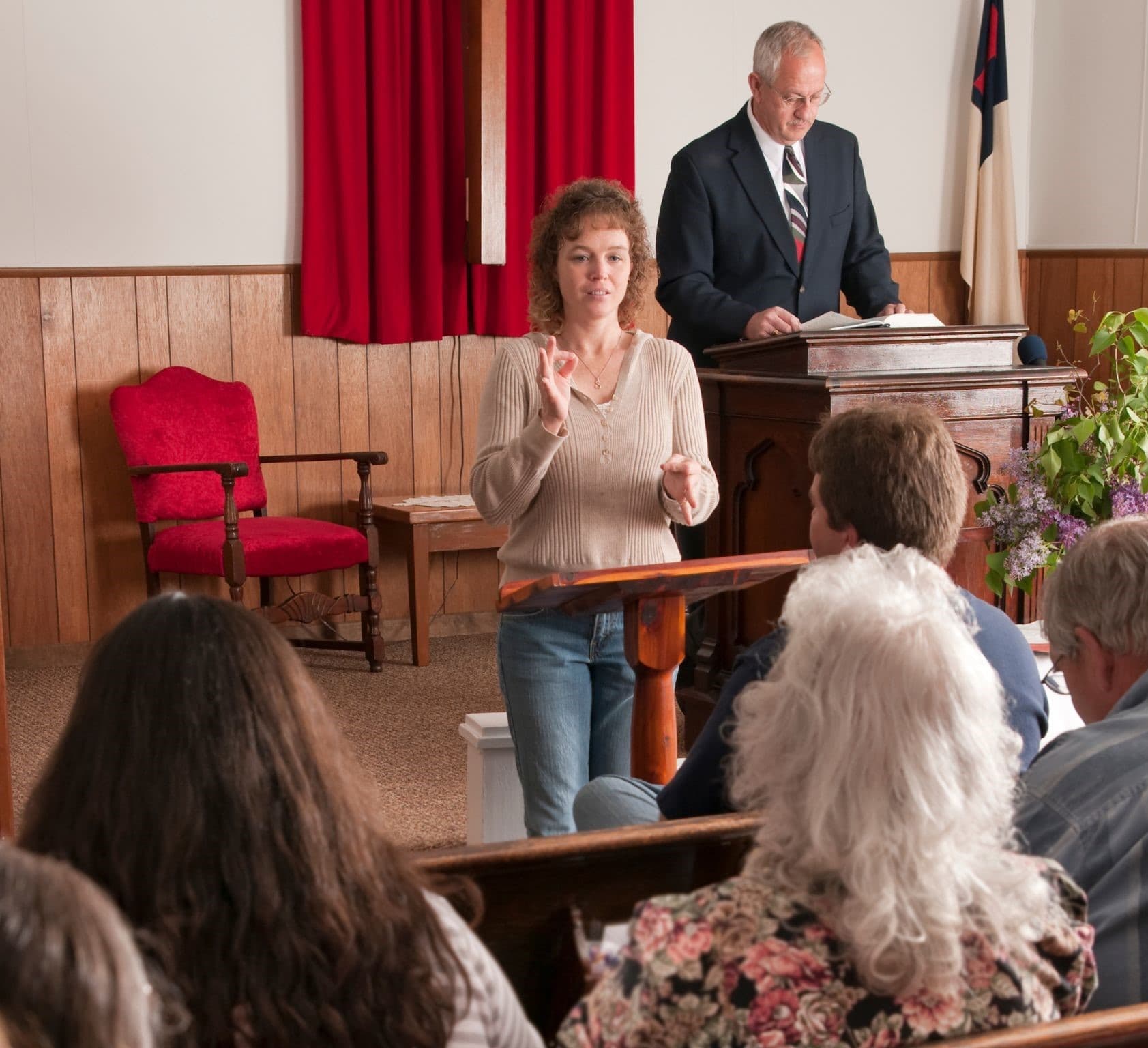
American Sign Language, tactile signing for DeafBlind participants, and International Sign. Needs a position with sightlines the crowd cannot fill, and after dark a light of its own — both worth agreeing as soon as the booking is confirmed.
Learn more about ASL & Sign Language InterpretingSettings we staff here
Grouped below by the demands each setting puts on a provider, not by what the venue calls itself — two events with the same guest list can need completely different staffing depending on which of these your evening actually is. The name over the door is the least useful thing in a request here.

A route rather than a room, a crowd that moves with it, and no stage to work from — staffed at agreed vantage points, or with a provider travelling the route, depending on where your audience will be.
Interpreting a song is translation done in advance rather than relay done live, so a set list or a running order in the week before is worth more here than an extra hour on the night.
A guide talking while a group walks, over traffic and in heat — interpreting keeps pace with the group and description covers ironwork, gardens and facades that no guide has time to itemise.
Galleries where the exhibit is archive audio and interactive screens, so the access has to be captions and transcripts inside the display rather than a provider standing beside it.
Services, weddings, funerals and the processions that leave from them, with the interpreter placed where the whole nave can see them rather than only the front rows, and matched to how that congregation actually worships.
Keeper talks, garden programmes and park events, where the audience gathers at a rail for ten minutes and disperses, and placement has to be agreed rather than improvised.
Multi-track days for delegates who came into the city for them — the one setting here with reliable power, reliable audio and controlled light, and the easiest of the lot to staff well.
Small venues putting on an evening of their own, generally for the first time and with nobody on staff whose job this is — the shortest conversation on this page, and usually the cheapest booking.
Where New Orleans bookings land
New Orleans runs its public life outdoors and on a schedule everyone already knows, which is exactly why the accommodations have to be booked against the parade calendar rather than a room.

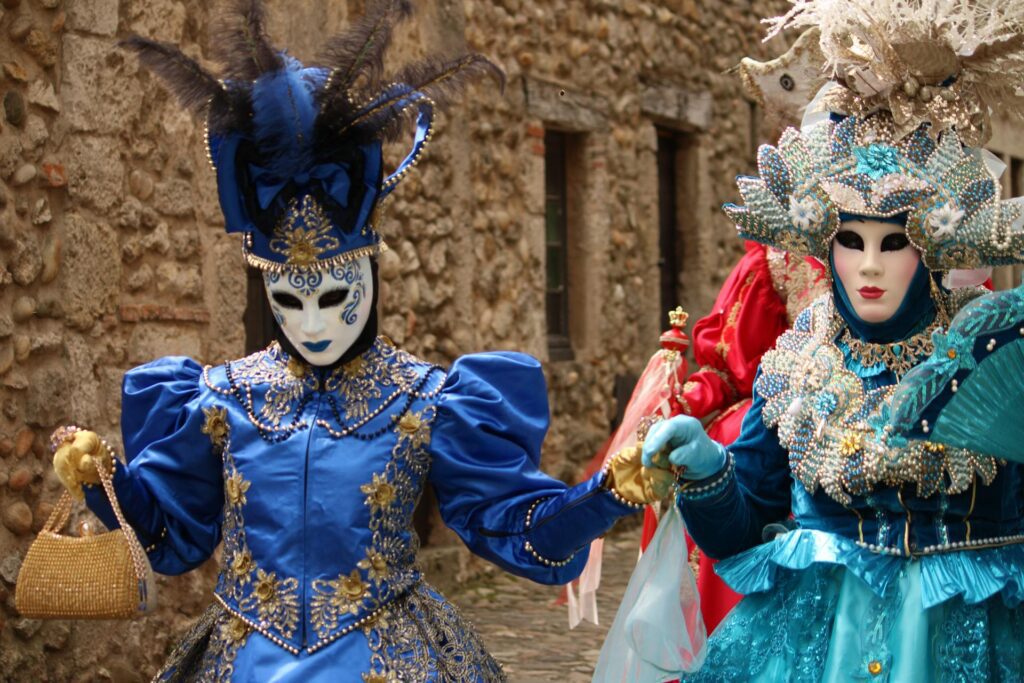
On-site interpreting along a moving route, in crowds and at volume. Positions are agreed with the krewe and the city in advance, because there is no way to improvise a sightline once the parade is rolling.
Live jazz on Bourbon Street, and the historic fabric around it including St. Louis Cathedral. ASL interpreting and live captioning cover performances and tours in rooms that were never built with either in mind.
One of the country's most-visited museums, and a heavily interactive one. Audio description makes the exhibits and displays legible to visitors who are blind or have low vision.
Uptown New Orleans, and a family programme built on keeper talks and guided routes. Live captioning and ASL interpretation cover both.
Working in New Orleans
Distance is not what limits a date in New Orleans. Orleans Parish and the parishes ringing it are one working area, and a request from Metairie or from across the river is handled no differently from one three streets off Jackson Square. What does change an answer is the site. So the first thing back is usually a short list of questions rather than a figure — where the provider can stand, what lights them, where the sound comes from — because a price written before anyone knows those things is a guess with a decimal point on it.
Client Stories
4.8 · Based on 240 Reviews
Carrie Heitman
"I can not recommend ICS highly enough. Hook & Eye Theater had a wonderful experience working with Shelby and the team at ICS from beginning to end. What an incredible organization serving the theatrical community and beyond."
Frank Starling
"Accessibility is an essential part of inclusion, and Inclusive Communication Services delivered it with excellence at Cannes Lions International Festival of Creativity. Their ASL interpreting, CART captioning, and service coordination teams supported our conference stages, networking spaces, and last-minute changes with calm professionalism and deep care."
Christina Dixon
"I had the pleasure of seeing the ICS American Sign Language interpreting team at a conference in San Francisco. Their professionalism and expertise puts them in a league of their own. Shelby and her team set the standard for professionalism, coordination, and accessibility."
Laura Mosteller
"Our company has been using ICS for years at our annual conference. Their kind and clear communication leading up to the event and their prompt arrival each day makes the choice a no-brainer."
Patrick McMullen
"Inclusive Communication Services did an amazing job at Cannes Lions Festival. They treated us with kindness and made sure we had full access to interpreters the whole time. It honestly felt like everything was normal."
Emily Johnson — AADMD
"We have loved working with ICS and appreciate their flexible approach to working with our budget. The services have been game changing for what we are able to provide."
What to expect
Providers travel in for anything in person here, so these numbers carry the journey inside them. They are the ones we work to rather than the ones that look best on a page.
How booking works
Indoors or out, day or night, seated or standing, fixed or moving, and how many people. A photograph of the room or a link to the route does more here than a paragraph of description.
Where a provider has to stand, what has to light them, what feed a captioner needs from your sound desk, and whether receivers are involved — alongside the price of each accommodation on its own line.
Most of what the first reply asks for is your venue's to arrange rather than ours to bill for. Providers are matched to the setting and the subject once those answers come back.
People come in early enough to stand where they will be standing and check it in the actual light. You get a day-of contact number, because outdoor events change and the plan has to change with them.
Frequently asked questions
Get started
The date, the venue or the route, and whether any of it is outdoors or after dark. The next working day you get three things back: what we would put on it, what the site needs sorted out before then, and the price of each piece on its own.