
Accessibility
VRI vs. On-Site Interpreting: How to Choose
A practical comparison for event planners, coordinators, and access leads weighing Video Remote Interpreting against sending an interpreter in person.
July 10, 2026 · 3 min read
By Aitana Cuenca Espinós · · 3 min read
Last updated
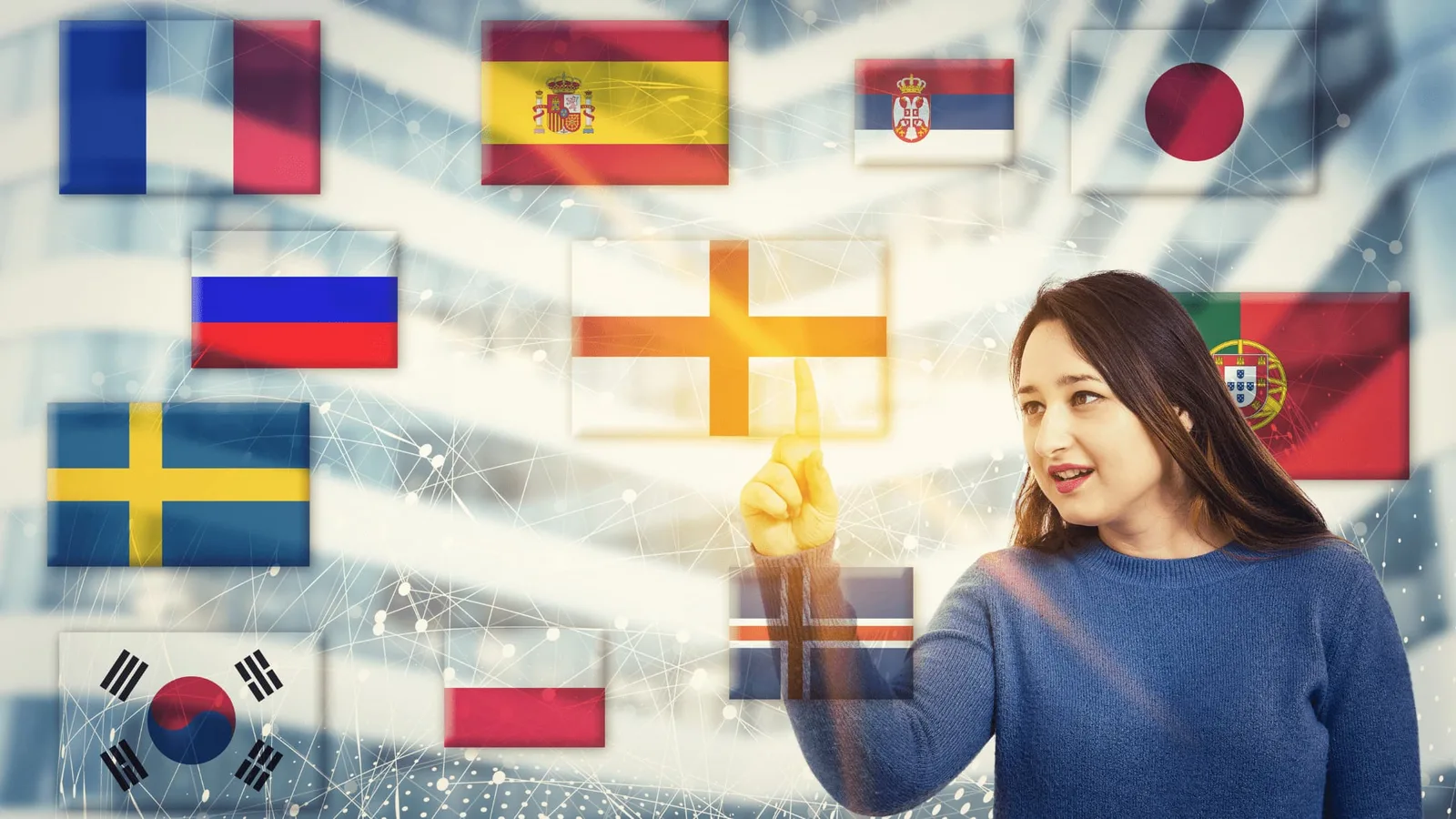
In today's diverse and interconnected world, effective communication is crucial for bridging cultural gaps and fostering inclusivity. However, language barriers often hinder communication, preventing non-English speaking individuals from understanding and engaging with their environment. This is where professional interpreting services play a pivotal role.
Inclusive Communication Services (ICS) recognizes this need and strives to provide affordable, reliable, and quality resources for spoken and sign language interpreting, translation, captioning, and media accessibility services. In this article, we will explore how professional interpreting services help bridge the communication gap between non-English speakers and those who are native English speakers, allowing everyone to participate in conversations and access essential services.
Professional interpreting services involve the facilitation of communication between individuals who speak different languages or use different sign languages. Interpreters are trained linguists who possess exceptional language skills and cultural knowledge. They serve as intermediaries, accurately conveying messages between parties while maintaining the integrity and intent of the original communication.
As globalization continues to expand, international businesses are increasingly engaging in cross-border collaborations and partnerships. This necessitates effective communication with international clients, suppliers, and stakeholders. Professional interpreters enable seamless communication during meetings, negotiations, and conferences, ensuring that language barriers do not hinder business growth and success.
In the medical field, accurate and timely communication is vital for providing quality care to all patients. Language barriers can compromise patient safety and access to critical medical services. Interpreters play a crucial role in facilitating effective communication between healthcare providers and patients with limited English proficiency. They help ensure accurate diagnoses, informed consent, and comprehensive understanding of treatment options, ultimately improving healthcare outcomes for non-English speaking individuals.
In an increasingly diverse student population, K-12 educational institutions strive to provide equal opportunities for all students. Non-English speaking students often face challenges in understanding classroom instructions, participating in discussions, and accessing educational resources. Interpreters assist in bridging these gaps, facilitating effective communication between teachers, students, and parents. By ensuring that language is not a barrier to education, interpreters promote inclusivity and support academic success.
Similar to K-12 education, colleges and universities embrace multiculturalism and aim to provide an inclusive learning environment. Interpreters enable non-English speaking students to fully engage in lectures, seminars, and academic activities. They facilitate communication between professors and students, promote understanding of complex subject matter, and ensure that language differences do not impede educational opportunities.
In diplomatic settings, accurate communication is essential for fostering international cooperation, negotiations, and resolving conflicts. Interpreters serve as language mediators during high-level meetings, conferences, and international summits, enabling diplomats and government officials to understand each other's perspectives and intentions. Their expertise helps bridge linguistic and cultural gaps, contributing to successful diplomatic outcomes.
Access to justice is a fundamental right, regardless of language proficiency. In legal proceedings, interpreters play a crucial role in ensuring fair trials and effective communication between legal professionals, defendants, witnesses, and jurors. By accurately interpreting verbal and nonverbal communication, interpreters uphold the principle of due process and facilitate equal access to justice for non-English speaking individuals.
Professional interpreting services offered by organizations like Inclusive Communication Services have become indispensable for overcoming language barriers and fostering equitable societies. By addressing the growing need for interpreters in business, healthcare, education, and government, these services unlock communication barriers, empower non-English speaking communities, and promote equal access to essential services. Learn more about the spoken language interpreting services offered by ICS, where linguistic diversity is celebrated and communication is truly universal.

Aitana Cuenca Espinós
Trouble with the form? Open it in a new tab.
Tell us what you’re planning and a coordinator will come back with options and pricing.
A practical comparison for event planners, coordinators, and access leads weighing Video Remote Interpreting against sending an interpreter in person.
July 10, 2026 · 3 min read
I went to a popular historical museum in North Carolina with my mother to celebrate our spring birthdays. We joined the line, sent our backpacks through security, and walked over to pick up the audio…
May 8, 2026 · 6 min read
Four years after The Expanded Language Access Law was adopted in New York, state representatives are now opening discussions around the official inclusion of American Sign Language (ASL). This blog lo…
April 18, 2026 · 4 min read