Accessibility in the travel industry continues to be a barrier for people with disabilities, despite the fact that an estimated 1.3 billion people – that’s 1 in 6 of us – experience significant disability, according to the World Health Organization (WHO).
While many countries have taken steps to make travel more inclusive, most improvements focus on mobility and visual impairments. There continues to be a significant gap when it comes to communication. Travel is designed around sound – announcements, verbal instructions, audio tours – leaving deaf and hard-of-hearing travellers at a disadvantage.
Understanding your rights as a disabled traveller is an important first step, but this is just the beginning. Communication barriers appear throughout the journey, often in ways that are easy to overlook.
Airports and Flights
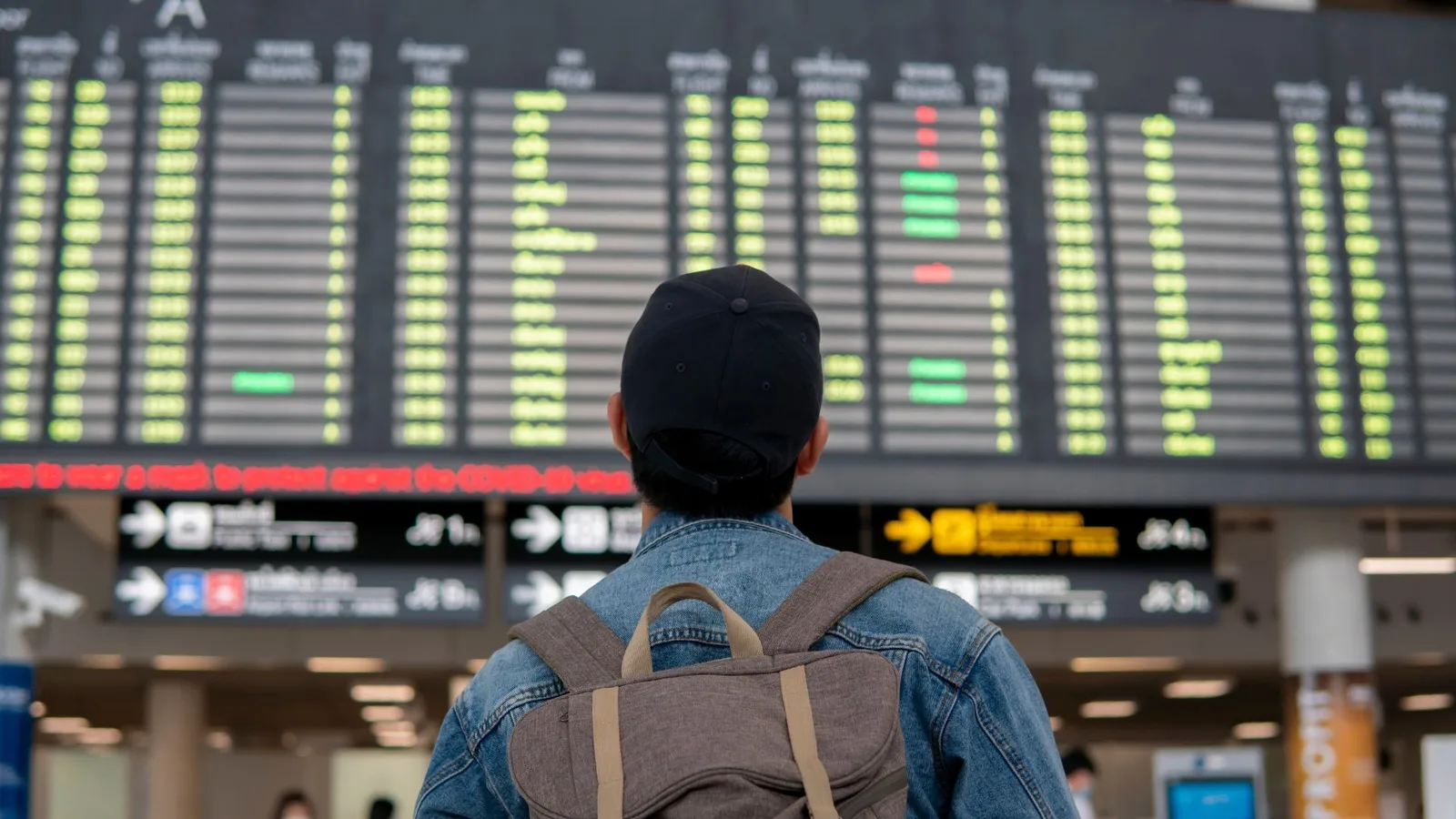
Airports are high-stress environments where missing key information can have immediate consequences. Boarding calls, gate changes, and other emergency announcements are typically delivered over speakers, and by the time flight changes are updated on screens, deaf travellers may be left rushing to catch up.
In-flight experiences can be equally frustrating. Cabin crew may not be trained in basic communication alternatives, and in-flight content isn’t always captioned correctly. Basic staff training in sign language, the addition of visual display alert systems, and real-time app notifications can help improve the passenger experience at the airport. Professional captioning of in-flight content could also keep deaf passengers informed in-flight.
Ground Transport and Navigation
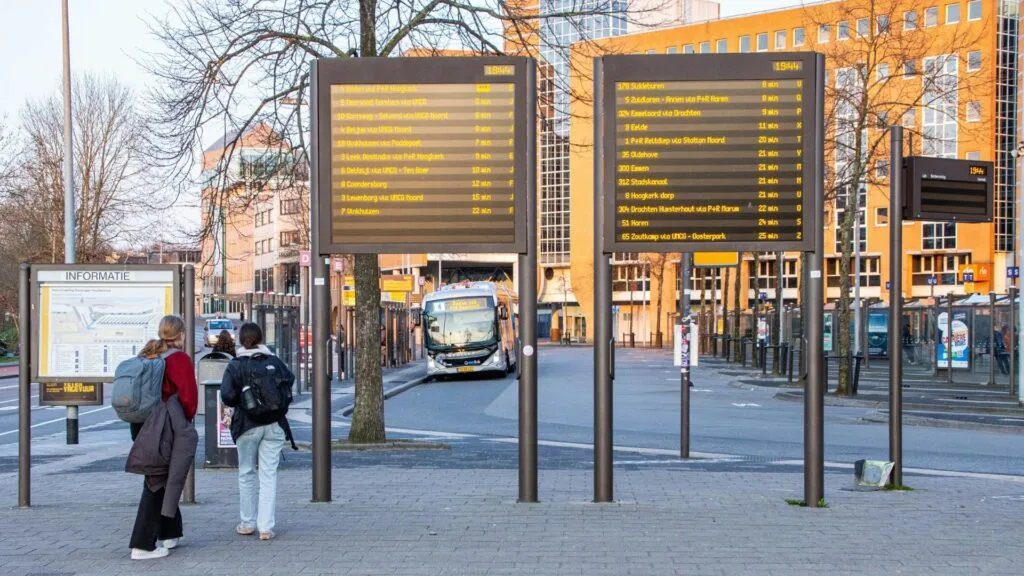
Bus terminal with electronic schedule boards and a parked bus in an urban area.
Ground transport comes with its own set of challenges, especially when travelling to a new place. Train and bus announcements still heavily rely on audio announcements, but these are not always supported by visual updates. Visual announcements are often either incomplete or delayed, making it easy for hard-of-hearing passengers to miss transfers as a result.
Ride-hailing services add another layer of difficulty, with drivers defaulting to calling instead of messaging when trying to locate their passengers. Navigation can also be a challenge, with inconsistent signage or lack of signage altogether even in well-connected cities. Prioritising text- based communication and standardising visual information would make these transitions more reliable.
Hotels and Other Accommodations
Even with the development of apps, hotels and accommodations are still heavily reliant on verbal check-ins, with key details shared quickly and rarely backed up in writing. Emergency procedures are rarely communicated in an accessible format, and many services still rely on phone calls.
These could easily be addressed by providing written check-in info and clear visual guides, and offering messaging-based guest services to improve the customer experience.
Tours and Attractions
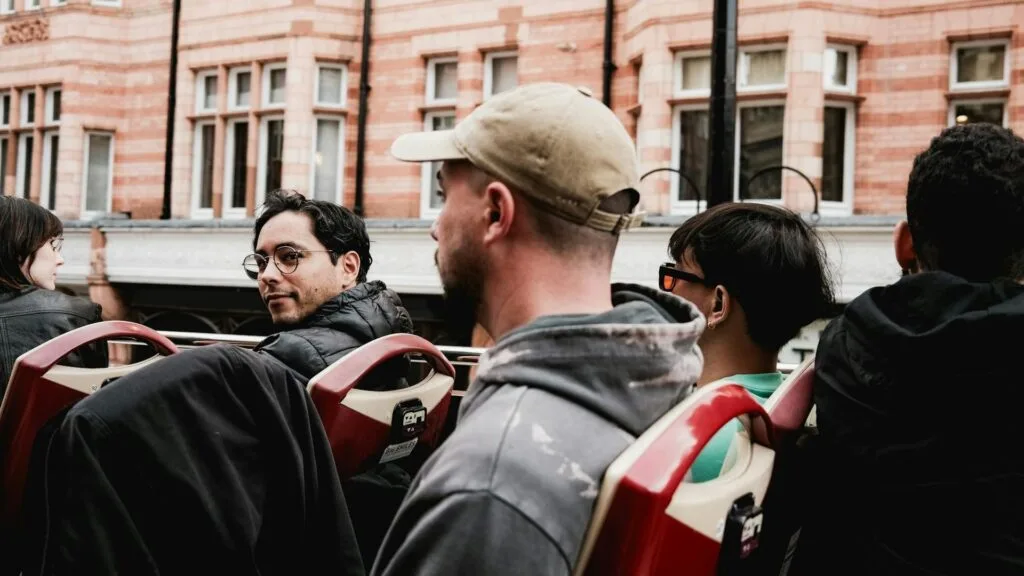
People sitting on an open-top bus in front of a brick building.
Tours and attractions are where communication gaps often become more visible. Guided tours rely heavily on spoken narration, with little to no visual aids, such as captions, to help engage deaf and hard-of-hearing travellers.
Standards and international frameworks set by the United Nations and the WHO emphasise the importance of providing captioned content and integrating visual storytelling to create more inclusive tour designs.
A Systemic Gap
When discussing accessibility, physical infrastructure often takes the spotlight, with communication taking the backseat. The breakdowns point to a systemic gap because of the way communication is treated in these cases. But the fixes are neither complex nor expensive: clear visuals, consistent information, and flexible communication methods could easily transform the travel experience for deaf people.