
Accessibility
VRI vs. On-Site Interpreting: How to Choose
A practical comparison for event planners, coordinators, and access leads weighing Video Remote Interpreting against sending an interpreter in person.
July 10, 2026 · 3 min read
By Aitana Cuenca Espinós · · 2 min read
Last updated
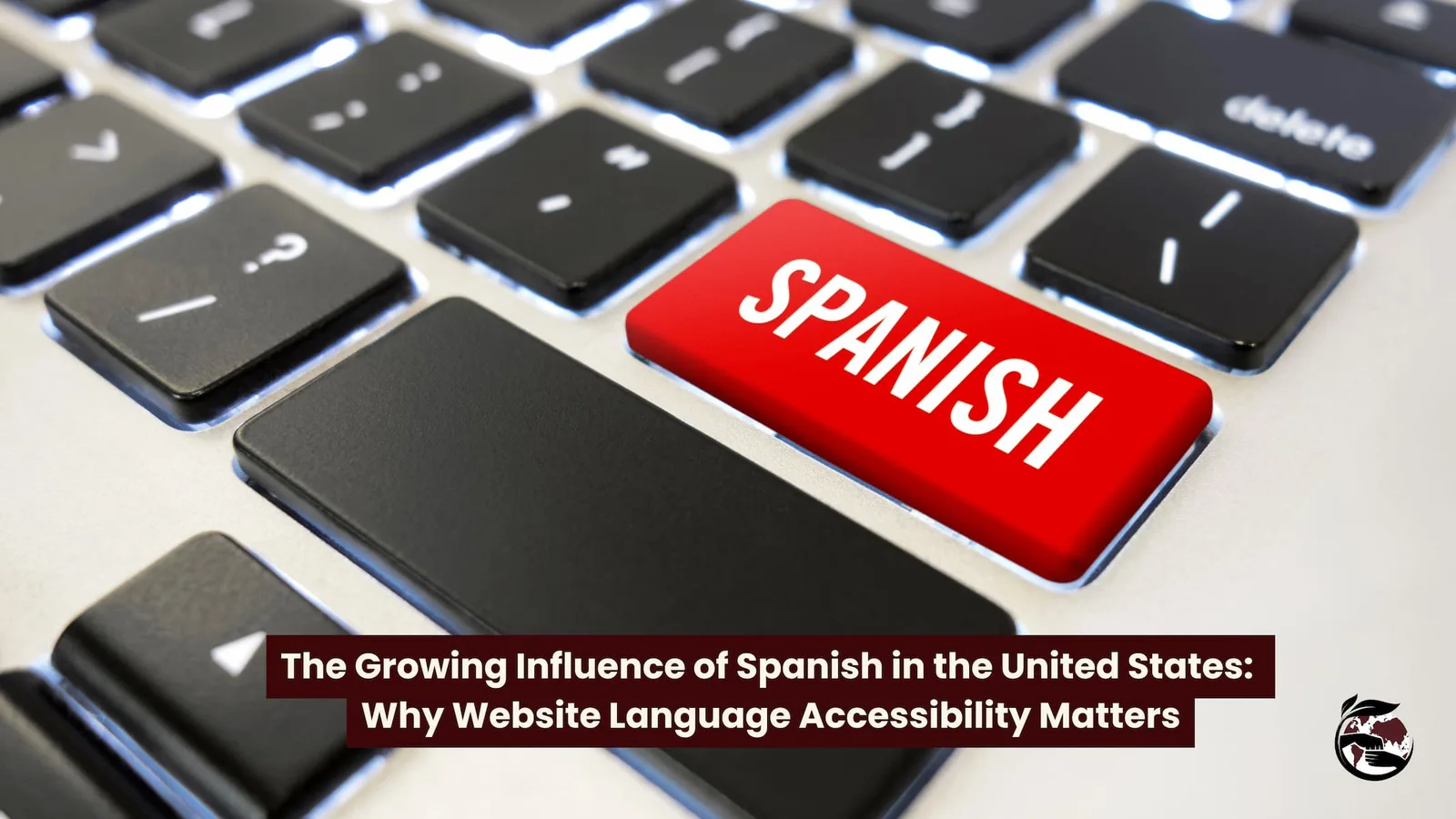
Did you know the United States lacks an official language? English is the most widely spoken language with approximately 80% of the population using it as their first language. However, there are over 350 languages spoken in the US, with Spanish being the second most common.
Spanish speakers in the US have multiplied in recent decades. In 1980, only 5% of the population spoke Spanish. Today, 14% of the population, or 41 million people are Spanish speakers and 15 million people who are bilingual. The United States is the world’s second largest Spanish speaking country after Mexico (121 million). According to the Institute Cervantes, this puts the US ahead of Columbia (48 million) and Spain (46 million).
State-wise, the most significant Spanish-speaking populations cluster in the regions once belonging to Spanish colonies in the South and Southwest. New Mexico leads the way with an impressive 47%, closely trailed by California and Texas, both at 38%, and Arizona at 30%. In contrast, New Yorkers have an 18% Spanish-speaking population and surprisingly, over 6% of Alaskans are fluent in Spanish. Alaska has even introduced a Spanish-language website to make travel more accessible for multilingual families.
Nonetheless, not everyone is welcoming the language's growth. Spanish speakers still face discrimination such as being criticized for speaking their native language or being told to go back to their native country. Evident cultural and social divides are notable in the US. It wasn't until recently that the White House reinstated the Spanish version of its website, La Casa Blanca.
The issue of website language accessibility is gaining traction, especially with Spanish securing its position as the second most influential language globally, as recognized by the Index of Human Development. Additionally, projections suggest there will be 138 million Spanish speakers by 2050, making the US the future’s largest Spanish-speaking nation worldwide.
Offering a Spanish version of your website presents significant social and economic benefits. Now is the perfect moment for North Americans to broaden their language horizons and create an accessible future. At Inclusive Communication Services (ICS), we specialize in expertly translating your website content into Spanish. Contact us today to initiate your journey toward a more inclusive website.
Interpreting, Captioning, and Accessible Media Services
Premium accessibility services for the Deaf, DeafBlind, and Non-English speaking. Available In-Person and Online!


Aitana Cuenca Espinós
Trouble with the form? Open it in a new tab.
Tell us what you’re planning and a coordinator will come back with options and pricing.
A practical comparison for event planners, coordinators, and access leads weighing Video Remote Interpreting against sending an interpreter in person.
July 10, 2026 · 3 min read
I went to a popular historical museum in North Carolina with my mother to celebrate our spring birthdays. We joined the line, sent our backpacks through security, and walked over to pick up the audio…
May 8, 2026 · 6 min read
Four years after The Expanded Language Access Law was adopted in New York, state representatives are now opening discussions around the official inclusion of American Sign Language (ASL). This blog lo…
April 18, 2026 · 4 min read